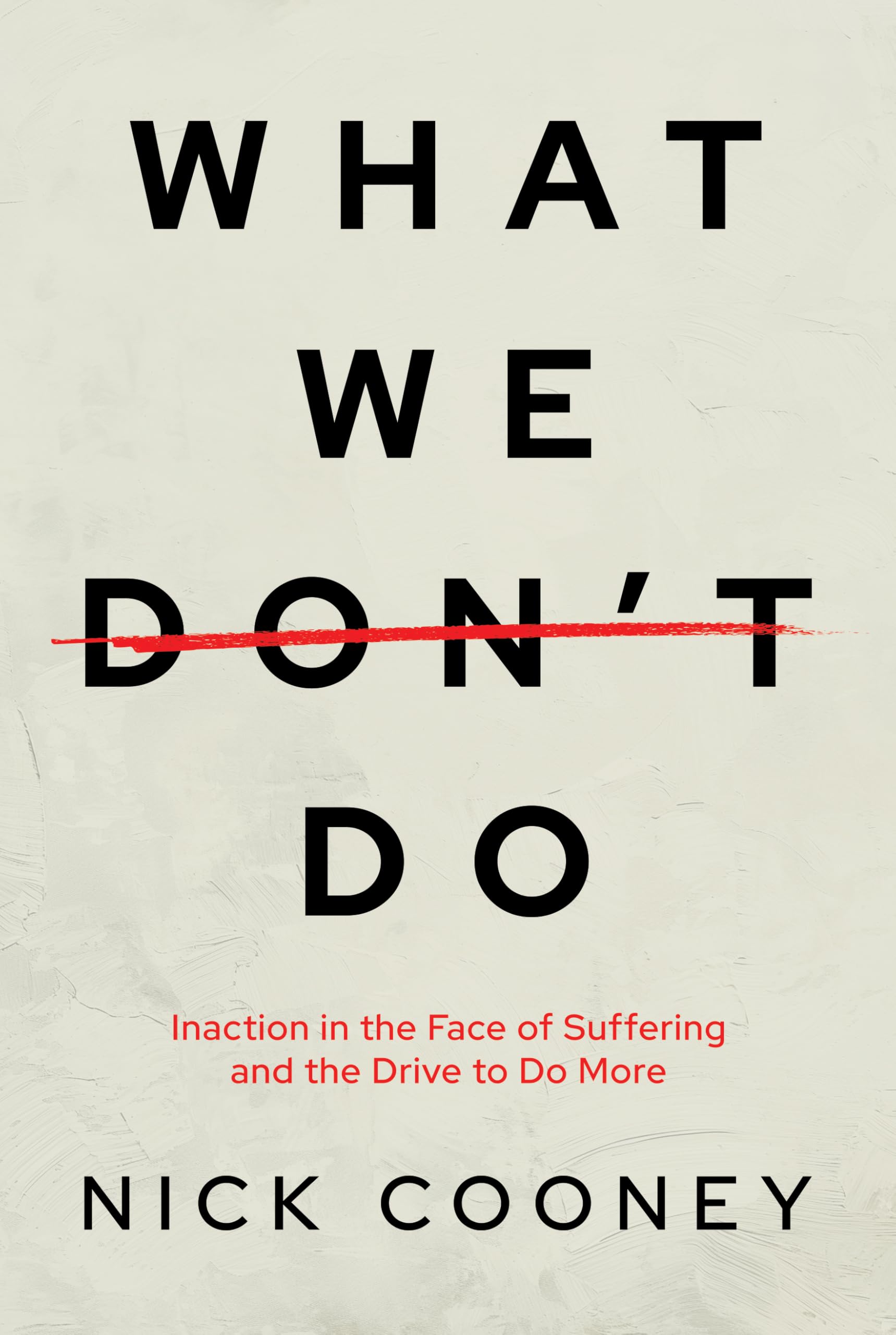
What We Don't Do
by Nick Cooney
Publisher
Regalo Press
Publication
Apr 15, 2025
Format
Paperback/Softback
Illustrated
No
Price
$18.99
ISBN
979-8888455340
ASIN
B0DBGC8V99
Age
Adult 18+
Category
General NonfictionMind, Body, SpiritSelf-Help
Rights Sold
🌍 World Wide Rights Available
Description
Related Titles

Direction
Kenny Leon, Tom Hanks

The Art of Imperfection
Camilla Stark

The Wisdom of Ignorance
Alan Gregerman

The Dalai Lama's Cat Orac...
David Michie

Permanence
Lisa Broderick, Marshall Goldsmith

Your Unique Path to Wealth
Eric John Campbell

Wisdom for Life
Perry Atwal

The Source Architect
Alfonso Cahero

The Path of Least Regret
Parul Somani

Grow or Fold
Matt Ross

What Really Matters
Robert A Saul MD

| Publisher | Post Hill Press |
| Publication | Apr 15, 2025 |
| Format | Paperback/Softback |
| ISBN | 979-8888455340 |
| Pages | 0 |
| Age | 18 - 99 |
| Price | $18.99 |
Categories
General NonfictionMind, Body, SpiritSelf-Help
What We Don't Do
by Nick Cooney
For the first time in human history, our inactions cause far more harm to others than our actions ever could.
“A refreshing and necessary reminder on our ability…to help those in need.” — Moby
When we think about whether we are good people leading a good life, we usually think about actions. Bad people do bad things that hurt others. Good people do good things that help others, and they avoid doing bad things. Simple.
But while our actions certainly have consequences, today our inactions have far greater and far graver consequences. Bad actions can result in the suffering of a few or several dozen others; inaction can result in the extreme misery of thousands.
It wasn’t always this way. For nearly our entire history as a species, we lived in small groups with minimal resources, leaving our ability to help others limited and the consequences of inaction modest. It is not so today. Thanks to massive global populations, huge wealth disparities, and modern technologies, the average person now has more power to improve the lives of others than nearly anyone who has ever lived. But the flip side of that great power is the dizzyingly high cost of inaction, in which lives can hang in the balance with each dollar and hour of time we spend.
This is a book about what we don’t do. It’s about our failures to act and the suffering others endure as a result. It’s also about the incredible good that can be achieved when we cultivate an internal drive to do more.
“Confronts our tendency toward feel-good, surface-level altruism and instead challenges us to...embrace discomfort and sacrifice at a level akin to high-performing athletes.” — David Goldberg, Co-Founder and CEO, Founders Pledge
“A deep dive into waters often given only a glancing touch...Hopefully this message will spread through and beyond its readers.” — Dr. George Church, Co-Founder, Wyss Institute at Harvard University
“A refreshing and necessary reminder on our ability…to help those in need.” — Moby
When we think about whether we are good people leading a good life, we usually think about actions. Bad people do bad things that hurt others. Good people do good things that help others, and they avoid doing bad things. Simple.
But while our actions certainly have consequences, today our inactions have far greater and far graver consequences. Bad actions can result in the suffering of a few or several dozen others; inaction can result in the extreme misery of thousands.
It wasn’t always this way. For nearly our entire history as a species, we lived in small groups with minimal resources, leaving our ability to help others limited and the consequences of inaction modest. It is not so today. Thanks to massive global populations, huge wealth disparities, and modern technologies, the average person now has more power to improve the lives of others than nearly anyone who has ever lived. But the flip side of that great power is the dizzyingly high cost of inaction, in which lives can hang in the balance with each dollar and hour of time we spend.
This is a book about what we don’t do. It’s about our failures to act and the suffering others endure as a result. It’s also about the incredible good that can be achieved when we cultivate an internal drive to do more.
“Confronts our tendency toward feel-good, surface-level altruism and instead challenges us to...embrace discomfort and sacrifice at a level akin to high-performing athletes.” — David Goldberg, Co-Founder and CEO, Founders Pledge
“A deep dive into waters often given only a glancing touch...Hopefully this message will spread through and beyond its readers.” — Dr. George Church, Co-Founder, Wyss Institute at Harvard University
Author
Current Licenses
🌍 World Wide Rights Available